The Silence Between Us – In Development
Synopsis
AIDEN HOWARD has spent a year as a ghost. Ever since his best friend outed him to the entire school, he’s perfected the art of invisibility—headphones in, hood up, eating lunch alone at his exile table. The pride flag in his bedroom hangs half-hidden behind the door now, and the pepper spray his mom insisted on sits at the bottom of his backpack. Just in case.
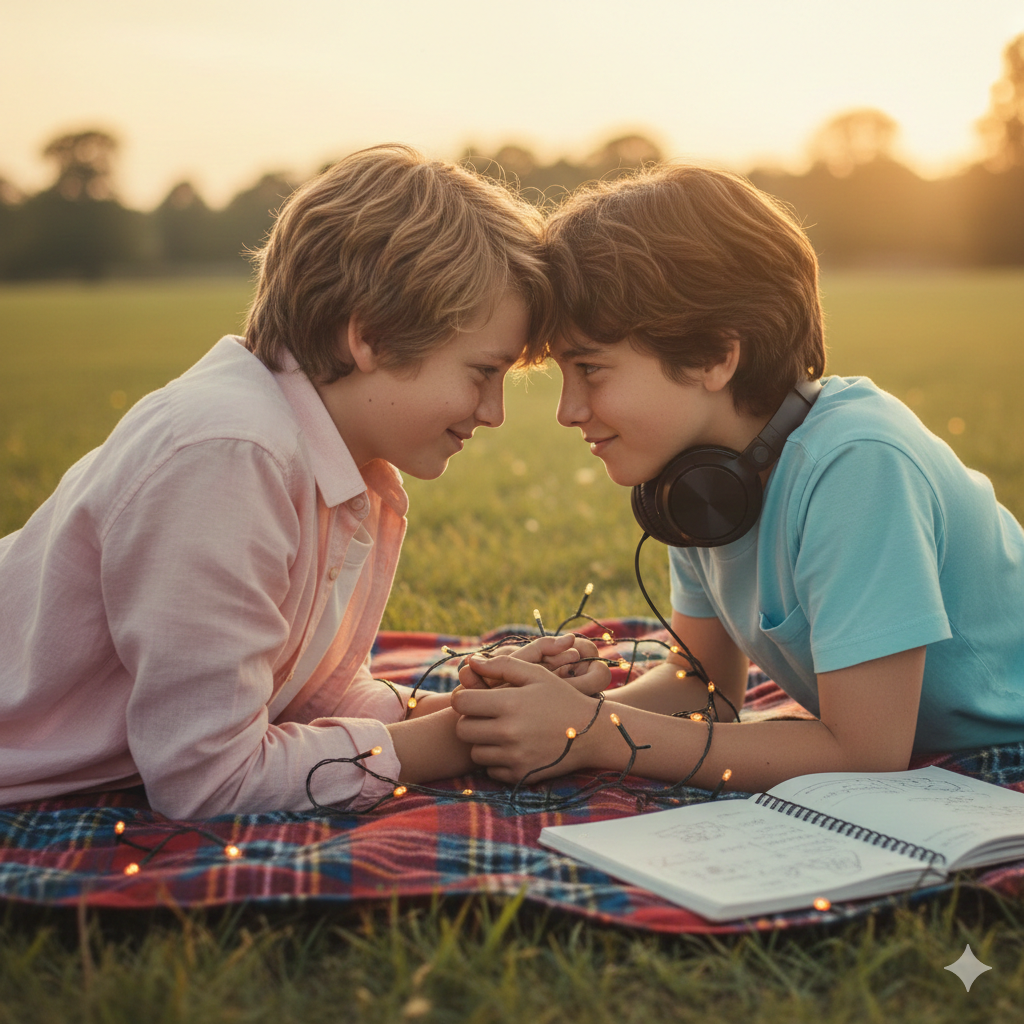
Everything changes when ETHAN MITCHELL arrives—a military kid who’s moved four times in five years and has learned not to get attached to anyone or anything. But something about Aiden breaks through Ethan’s defenses. They bond over obscure indie music, discover they’re partners for a Romeo and Juliet scene in English class, and find in each other someone who truly sees them.
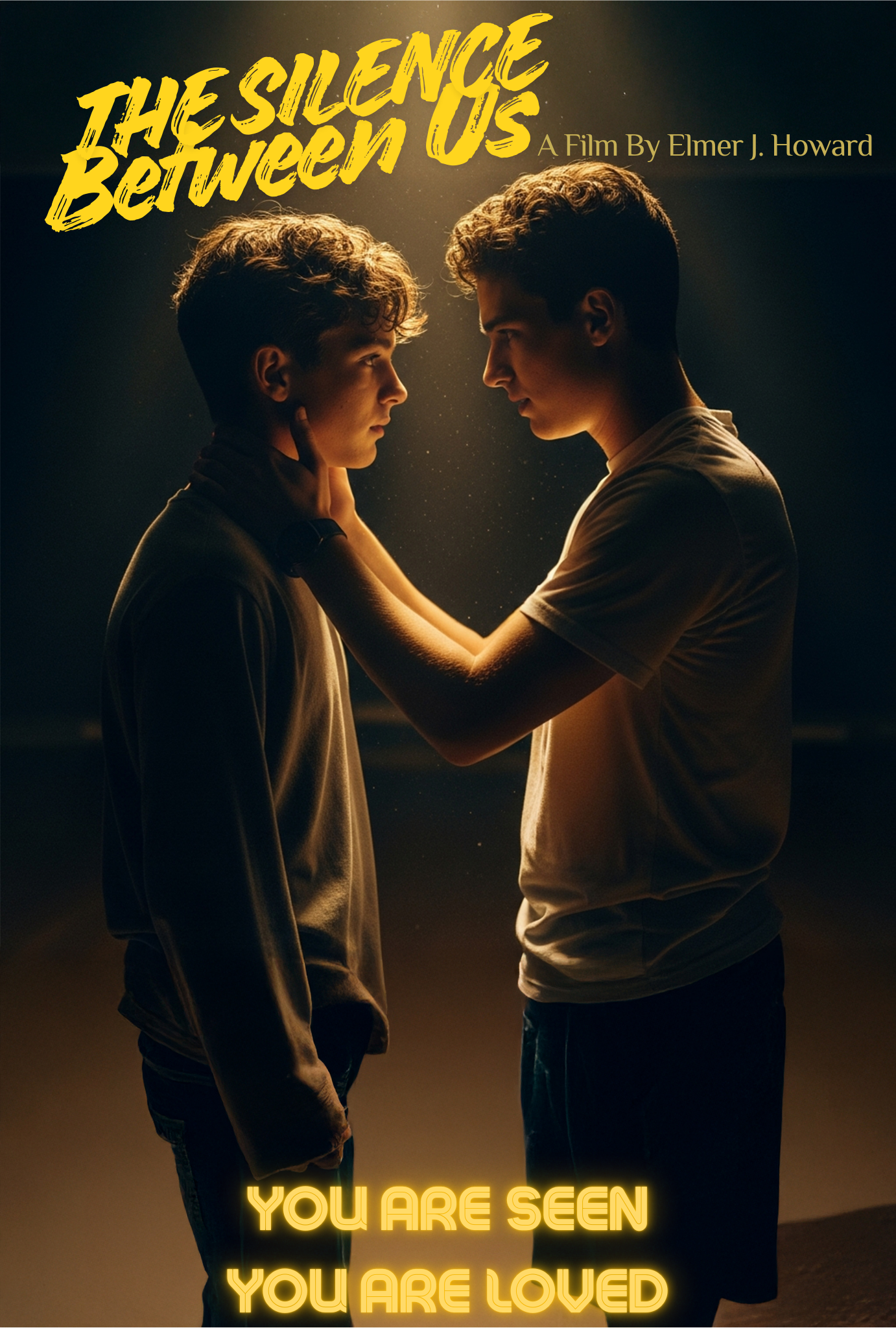
Their growing connection threatens CONNOR REEVES, Aiden’s former best friend turned relentless tormentor. Connor commands the social hierarchy with the confidence of someone who’s never been told no—but his obsession with destroying Aiden hints at something deeper. When Aiden finally fires back publicly, revealing that Connor kissed him back that night at the sleepover, the flash of panic across Connor’s face says everything. His cruelty isn’t just homophobia. It’s a wall he’s built to keep himself from looking inward, and every moment Aiden spends with Ethan is a crack in that wall he can’t afford.
As Aiden and Ethan move from cautious friendship toward something more, they must navigate a world that demands they stay silent—Connor’s escalating hostility, Ethan’s rigid military father, and their own fears of being truly seen. When they decide to write an original scene for the school showcase about breaking that silence, they’re not just performing. They’re choosing visibility over safety, and everything that comes with it.
Director’s Statement
For sixteen years, I’ve carried this story inside me, waiting for the courage to tell it.
When I watched Anthony Schatteman’s Young Hearts, something unlocked. Here was proof that a quiet, tender film about two boys falling in love could move an audience without apology. It gave me permission to finally write the story I’d been afraid to tell.
The Silence Between Us isn’t autobiographical—it’s aspirational. Growing up in central Maine in the late ’80s and early ’90s, in a religious household, I never allowed myself to even consider the possibility that I might be gay. The thought was too dangerous to think. This film is about the boyhood I didn’t have, the first love I couldn’t let myself imagine, the visibility I was too afraid to claim.
But I also wanted to tell a story that reflects where we are now. In 2026, LGBTQ+ youth face a landscape of renewed hostility—legislative attacks, book bans, and the systematic erasure of their existence from schools and public life. Young Hearts offered a vision of acceptance; The Silence Between Us acknowledges that for many young people, acceptance is still something they have to fight for. Connor, Robert, the whispers in the hallway—these aren’t relics of the past. They’re present tense.
This is a film for every kid who ever made themselves invisible to survive. And for every adult who’s still learning they deserve to be seen.